




How Merino Wool Blankets Compare to Synthetic Throws
Key Takeaways
- Merino wool naturally regulates temperature throughout the year.
- Wool fibres are breathable and moisture-wicking.
- Merino wool blankets tend to last longer than synthetic throws.
- Wool is renewable and biodegradable.
- Synthetic throws often trap heat and odours.
- Merino wool provides greater comfort across changing conditions.
- High-quality wool blankets can become long-term household favourites.
If you're deciding between a Merino wool blanket and a synthetic throw, Merino wool is generally the superior option for comfort, breathability, durability and sustainability. While synthetic throws may have a lower purchase price, Merino wool offers long-term performance, natural temperature regulation and a timeless quality that many homeowners and outdoor enthusiasts appreciate.
Why Are Merino Wool Blankets So Popular?
Merino wool has earned a reputation as one of the world's most versatile natural fibres. Sourced from Merino sheep, the wool is finer and softer than traditional wool varieties, making it exceptionally comfortable while maintaining all the performance benefits wool is known for.
Unlike many synthetic materials, Merino wool adapts naturally to changing temperatures. Whether you're relaxing at home or enjoying an evening outdoors, the fibre works continuously to create a comfortable environment.
For those exploring premium wool products, the collection of woollen blankets from Grampians Goods Co showcases the enduring appeal of natural fibres and thoughtful craftsmanship.
Merino wool is not simply about warmth. It delivers a balance of comfort, functionality and longevity that synthetic alternatives often struggle to match.
How Do Merino Wool Blankets and Synthetic Throws Differ?
At first glance, a blanket and a throw may seem to serve the same purpose. However, the materials used create a very different experience over time.
Synthetic throws are commonly manufactured from polyester, acrylic or fleece-based fibres. These materials are designed to mimic softness and warmth but often achieve this through artificial means.
Merino wool works differently. Each fibre has a naturally crimped structure that traps air, creating insulation while maintaining breathability.
The result is a blanket that feels comfortable across a wider range of temperatures rather than simply trapping heat.
Key Material Differences
| Feature | Merino Wool Blanket | Synthetic Throw |
|---|---|---|
| Fibre Source | Natural and renewable | Petroleum-based |
| Breathability | Excellent | Moderate |
| Temperature Regulation | Natural | Limited |
| Moisture Management | Excellent | Variable |
| Odour Resistance | Natural | Often requires more washing |
| Sustainability | Biodegradable | Often non-biodegradable |
| Longevity | High | Moderate |
These differences become increasingly noticeable with regular use.
Which Option Provides Better Comfort?
Comfort is often the deciding factor when choosing a blanket.
Synthetic throws can initially feel soft, particularly fleece products. However, many people find they become too warm or create a clammy feeling after extended use.
Merino wool blankets provide a more balanced experience. The fibres absorb moisture vapour while allowing excess heat to escape, helping maintain a stable level of comfort.
This is particularly beneficial during seasonal transitions when temperatures fluctuate throughout the day.
Many people are surprised by how soft modern Merino wool feels. If your perception of wool comes from older, coarser fibres, Merino offers an entirely different experience.
The fine fibres sit comfortably against the skin without the itchiness often associated with traditional wool products.
How Does Temperature Regulation Compare?
One of the most significant advantages of Merino wool is its natural ability to regulate temperature.
Synthetic throws typically rely on trapping heat. While this can provide warmth initially, it can also lead to overheating.
Merino wool adapts more effectively because of its unique fibre structure.
Benefits of Merino Wool Temperature Regulation
- Keeps warmth close to the body during colder weather
- Releases excess heat when temperatures rise
- Reduces overheating indoors
- Maintains comfort across changing seasons
- Supports year-round use
This versatility helps explain why Merino wool remains popular across clothing, blankets and outdoor products.
For those interested in understanding wool fibres in greater detail, the Grampians Goods Co article on Merino and Shetland wool provides useful insight into the characteristics of different wool types.
Which Blanket Is More Durable?
When considering value for money, durability matters just as much as purchase price.
Synthetic throws often experience wear relatively quickly. Fibres may flatten, pill or lose their softness after repeated washing and use.
Merino wool fibres possess natural elasticity, allowing them to recover their shape even after extended use. This resilience contributes significantly to the lifespan of wool blankets.
A well-maintained wool blanket can remain part of a household for many years, sometimes even decades.
The long-term nature of wool products aligns with a growing preference for quality over quantity. Rather than replacing blankets frequently, many consumers are choosing products designed to last.
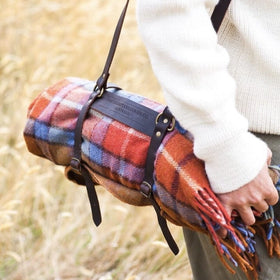
If durability is a priority, collections such as tartan wool blankets offer a combination of timeless style and enduring performance.
What About Sustainability?
Environmental considerations increasingly influence purchasing decisions.
Synthetic throws are generally produced using petroleum-derived materials. While some recycled options are available, most synthetic fibres remain dependent on non-renewable resources.
Merino wool offers several sustainability advantages because it is a naturally renewable fibre that grows back annually.
Why Wool Is Considered a More Sustainable Choice
- Renewable natural resource
- Biodegradable at end of life
- Lower reliance on fossil fuels
- Long product lifespan
- Can be recycled and repurposed
Sustainability is not only about production. Product longevity also matters. A blanket that lasts for many years often creates a lower overall environmental impact than multiple short-lived alternatives.
The focus on durable, responsibly sourced materials is explored further in Grampians Goods Co's article about reviving wool for sustainability.
Which Blanket Requires Less Maintenance?
Many people assume wool requires complicated care. In reality, Merino wool is surprisingly low maintenance.
The natural structure of the fibre resists odours and helps repel dirt, reducing the need for frequent washing.
Synthetic throws often require more regular laundering because they tend to retain odours and accumulate static.
With proper care, Merino wool blankets can maintain their appearance and performance for many years.
Simple practices such as airing out a blanket between uses can often be enough to refresh the fibres.
This reduced washing frequency offers practical benefits while also lowering water and energy consumption.
Are Merino Wool Blankets Better for Outdoor Use?
Outdoor enthusiasts frequently favour wool for good reason.
Unlike many synthetic materials, wool continues to provide insulation even when exposed to moisture. This characteristic has made wool a trusted material for generations.
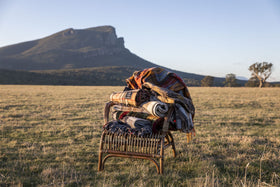
Whether you're enjoying a picnic, camping trip or evening around a firepit, Merino wool offers comfort that adapts to changing conditions.
The natural durability of wool also makes it suitable for frequent transport and outdoor use.
For those who enjoy spending time outdoors, the range of outdoor blankets combines practicality with premium craftsmanship and natural performance.
Is the Higher Cost of Merino Wool Worth It?
Price is often the main reason people compare Merino wool blankets and synthetic throws.
Synthetic products generally cost less upfront, making them attractive for budget-conscious shoppers.
However, evaluating value requires looking beyond the initial purchase price.
A high-quality Merino wool blanket often delivers:
- Greater comfort
- Better durability
- Reduced replacement costs
- Improved sustainability
- Enhanced year-round usability
When considered over many years of use, the long-term value of wool frequently outweighs the initial investment.
Many households find that a quality wool blanket becomes one of the most frequently used items in the home, making it a worthwhile purchase.
Conclusion: Merino Wool Blankets Offer Lasting Value
When comparing Merino wool blankets vs synthetic throws, the differences become increasingly clear. Merino wool provides superior temperature regulation, breathability, durability and sustainability while offering a level of comfort that synthetic materials often struggle to replicate.
Although synthetic throws may appeal because of their lower upfront cost, they rarely match the long-term performance and versatility of natural wool fibres.
For those seeking a blanket that delivers comfort throughout the seasons while supporting more conscious purchasing decisions, Merino wool remains one of the best options available.
Discover Premium Wool Blankets at Grampians Goods Co
At Grampians Goods Co, we believe quality materials create products that stand the test of time. Our carefully curated wool collections celebrate the natural performance, beauty and heritage of premium wool fibres.
To learn more about our range of blankets and lifestyle products, or to speak with our team, please visit our Contact Us page.