



Are Merino Wool and Natural Fabrics Waterproof?
6 min read
When it comes to choosing quality textiles for everyday life and outdoor adventures, natural fibres like Merino wool are top of mind for many and for good reason. But one question we’re often asked at Grampians Goods Co. is: “Is Merino wool waterproof?” And more broadly, how do natural fabrics perform in wet weather?
As lovers of thoughtful design and purposeful living, we believe in choosing materials that not only look beautiful but also behave beautifully. In this guide, we’ll explore how Merino wool and other natural fibres interact with water and what that means for your comfort, care, and long-term use.
What Does ‘Waterproof’ Actually Mean in Fabric Terms?
Let’s start by clarifying what “waterproof” actually means when it comes to fabric. A waterproof fabric is completely impervious to water, think synthetic raincoats or tarpaulins, which have coatings or membranes that prevent any moisture from passing through. Water-resistant fabrics, on the other hand, can repel light moisture or drizzle but may eventually allow water to soak through with prolonged exposure. Then there are absorbent fabrics, which soak up moisture readily and don’t offer any protection from the rain. Understanding this scale is essential when choosing natural textiles for real-life situations especially when weather might be unpredictable.
Is Merino Wool Waterproof or Just Water-Resistant?
Merino wool isn’t fully waterproof, but it’s far more water-savvy than many people realise. Wool fibres have a natural protective outer layer that makes them water-repellent. This means light rain or mist will typically bead off the surface, keeping you warm and dry, at least initially. If exposed to heavy or prolonged moisture, wool will eventually absorb water.
But here’s where it gets interesting: wool can absorb up to 30% of its weight in moisture without feeling wet. That’s because the inner core of the fibre draws water vapour in, while the outer layer stays relatively dry. This clever behaviour is why Merino wool remains a trusted material for cold-weather wear. It continues to insulate even when damp, keeping you warm and comfortable.
At Grampians Goods Co., we choose Merino wool for its performance and its provenance. You’ll find it in our Merino wool jumpers and scarves, trusted favourites for life in the elements, whether you’re out walking, road-tripping, or relaxing by the fire.
How Do Other Natural Fabrics Compare When It Rains?
Each natural fabric behaves differently when faced with water. Here’s a quick look at how some common fibres compare:
-
Cotton: Breathable but highly absorbent. Once wet, it stays wet, and can feel heavy or clingy.
-
Linen: Similar to cotton, with slightly faster drying time. Absorbs water readily and wrinkles when damp.
-
Silk: Delicate and absorbent. Water can stain or weaken the fibres if not handled gently.
-
Hemp: Absorbs water but dries relatively fast. Strong and durable, but not water-repellent.
-
Wool (especially Merino): Naturally repels light moisture, insulates when wet, dries slowly but maintains comfort.
Of all the natural fibres, wool offers the best balance of breathability, warmth, and water resistance, making it ideal for outdoor layering, changeable weather, and slow living.
Protect Natural Fabrics From Water Damage
While natural fabrics aren’t waterproof in the technical sense, they’re built to last, especially when cared for thoughtfully.
Here are a few ways to protect your wool and other natural items from water-related wear:
-
Shake off water as soon as you come indoors; wool often only needs a gentle brush or air-dry.
-
Avoid machine drying instead, lay items flat in a shaded, well-ventilated area to dry naturally.
-
Store in a dry place, away from moisture-prone corners or sealed plastic that traps humidity.
-
Use gentle, wool-safe detergents if washing is needed, and always follow care labels.
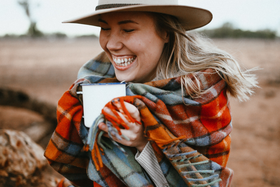
Many of our woollen blankets and outdoor blankets are chosen for their natural resilience perfect for draping over shoulders during a sunset picnic or keeping close by for campfire nights.
When Should You Choose Wool for Outdoor Use?
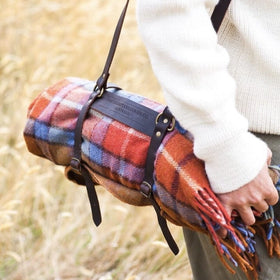
Wool is a smart choice in many outdoor scenarios, even when the forecast looks a little grey. Whether you're spreading out a tartan picnic rug or layering a scarf for a bushwalk, wool performs best in cool, breezy conditions or light drizzle. If heavier rain is likely, we recommend pairing your woollen companion with a waterproof shell or carrying it in a leather blanket strap to keep it protected between uses. The beauty of wool is how naturally it adapts to changing weather while providing comfort, warmth, and rich texture.
Choose Wool with Confidence and Care
Merino wool and other natural fabrics may not be technically waterproof, but they are naturally clever, offering warmth, breathability, and light water resistance in one beautiful package. In a world of fast fixes, there’s something enduring about trusting nature’s design.
At Grampians Goods Co., we choose natural fibres that respect the environment and enrich your everyday rituals, whether that's a wool jumper that moves with you, or a blanket that becomes part of your family’s story. Explore our collection of outdoor-ready wool blankets and discover how comfort and resilience can go hand in hand.