





Benefits of Using Wool Over Synthetic Materials
Key Takeaways
- Wool is a natural, renewable fibre sourced from sheep.
- Wool regulates body temperature in both warm and cold conditions.
- Wool is breathable and moisture-wicking, helping improve comfort.
- High-quality wool products can last for decades with proper care.
- Wool is biodegradable, unlike most synthetic materials.
- Natural wool fibres resist odours and require less frequent washing.
- Wool products support a more sustainable approach to textile production.
When comparing wool and synthetic materials, wool stands out as a natural fibre that offers superior breathability, temperature regulation, durability and sustainability. While synthetic fabrics are often chosen for their lower upfront cost, wool provides long-term value through comfort, performance and environmental benefits.
What Makes Wool Different from Synthetic Materials?
Wool and synthetic fibres are fundamentally different in how they are produced and how they perform. Wool is a natural fibre that grows annually on sheep, making it a renewable resource. Synthetic materials, on the other hand, are typically manufactured from petroleum-based products through industrial processes.
The unique structure of wool fibres creates small air pockets that trap heat when temperatures drop while allowing excess heat and moisture to escape when conditions become warmer. This natural adaptability is difficult for synthetic fabrics to replicate.
At Grampians Goods Co, wool remains at the heart of many products because of its exceptional performance and enduring appeal. Whether it's a premium blanket or one of our carefully curated collections of woollen blankets, the benefits of natural fibres become evident through everyday use.
Why Is Wool Better for Temperature Regulation?
One of the biggest advantages of wool is its ability to regulate temperature naturally.
Unlike many synthetic materials that can trap heat and create discomfort, wool responds to changes in your environment and body temperature. This makes it suitable for use throughout the year rather than only during winter.
Wool fibres can absorb moisture vapour before releasing it into the air. This process helps maintain a comfortable microclimate around your body, reducing overheating and excessive sweating.
Whether you're relaxing indoors, enjoying a cool evening outdoors or travelling through changing weather conditions, wool adapts remarkably well.
Benefits of Wool Temperature Regulation
- Keeps you warm in cold conditions
- Helps prevent overheating in warmer weather
- Naturally manages moisture
- Creates a more consistent level of comfort
- Suitable for year-round use
This versatility explains why wool remains a preferred material across clothing, blankets and outdoor accessories.
How Does Wool Compare to Synthetic Fabrics for Comfort?
Comfort often comes down to breathability, moisture management and how a material feels against the skin.
Many synthetic fabrics can feel clammy after prolonged use because moisture becomes trapped between the fabric and the body. Wool works differently. Its natural fibres transport moisture away while maintaining breathability.
Modern wool products, particularly those made from Merino wool, offer exceptional softness while retaining all the performance characteristics that wool is known for.
For those interested in learning more about different wool varieties, our guide on Merino and Shetland wool explores the unique qualities that make each fibre special.
Another often-overlooked benefit is wool's natural odour resistance. Because wool absorbs and releases moisture effectively, odour-causing bacteria have fewer opportunities to thrive. As a result, wool products generally require less frequent washing than synthetic alternatives.
Is Wool More Sustainable Than Synthetic Materials?
For environmentally conscious consumers, sustainability has become an increasingly important consideration.
Most synthetic fibres are derived from non-renewable fossil fuels. During production, they require significant energy inputs and often contribute to microplastic pollution when washed.
Wool offers several environmental advantages:
- It is naturally renewable
- It biodegrades at the end of its lifecycle
- It does not contribute to microplastic pollution
- It can be recycled and repurposed
- It often requires less frequent washing and replacement
These characteristics support a more circular approach to consumption.
The sustainability story of wool is particularly relevant today, as more consumers seek products designed to last. Our article on reviving wool for sustainability explores how traditional fibres continue to play an important role in reducing environmental impact.
How Durable Is Wool Compared to Synthetic Fibres?
Price comparisons often focus on the initial purchase cost, but durability tells a more complete story.
Quality wool products are renowned for their longevity. The natural crimp and elasticity of wool fibres allow them to bend thousands of times without breaking. This resilience helps wool maintain its appearance and functionality over many years.
Synthetic materials can perform well initially, but lower-quality fibres may flatten, pill or lose their structure over time.
Properly cared for wool products often become long-term household staples rather than short-term purchases.
This durability is particularly evident in heritage blankets and traditional wool accessories. Many families pass quality wool products from one generation to the next, which is something rarely seen with synthetic alternatives.
If you're considering investing in premium wool products, our collection of Merino wool jumpers demonstrates how natural fibres can combine longevity with everyday comfort.
Why Does Wool Require Less Frequent Washing?
One of wool's lesser-known benefits is its self-managing nature.
The fibre's structure helps repel dirt and minimise odour retention. In many cases, simply airing out a wool garment or blanket can restore freshness without the need for washing.
This provides several advantages:
- Reduced water consumption
- Less detergent use
- Lower energy requirements
- Longer product lifespan
- Less maintenance overall
For busy households, this practical benefit is often appreciated as much as wool's comfort and sustainability credentials.
Because wool requires less intensive care, its overall environmental footprint can be significantly lower throughout its usable life.
Is Wool Suitable for Outdoor and Everyday Use?
Absolutely. Wool's versatility extends well beyond indoor comfort.
Historically, wool has been trusted by farmers, explorers and outdoor enthusiasts because it continues to provide insulation even when exposed to moisture. While synthetic materials have developed significantly over time, wool remains a highly effective performance fibre.
Today, wool is commonly used in:
- Blankets and throws
- Outdoor accessories
- Knitwear
- Scarves
- Travel products
- Home décor items
For outdoor adventures, picnics and everyday use, wool provides a balance of comfort, practicality and durability that is difficult to match.
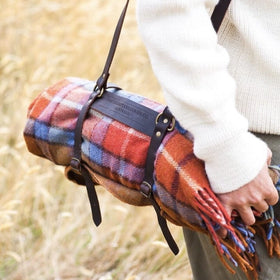
Our range of outdoor blankets reflects this tradition, offering products designed to perform beautifully in a variety of settings while retaining the timeless qualities of natural wool.
Why Are More Consumers Choosing Natural Fibres?
Consumer priorities are changing. Increasingly, people want products that not only perform well but also align with their values.
Natural fibres like wool offer a compelling alternative to disposable consumer culture. They provide lasting quality, reduce reliance on synthetic materials and support more responsible purchasing decisions.
People are also becoming more aware of the environmental impact associated with fast fashion and short-lived products. Choosing wool is often part of a broader shift towards buying fewer, better-quality items.
This growing appreciation for craftsmanship, sustainability and longevity has helped wool remain relevant despite decades of synthetic innovation.
Conclusion: Wool Continues to Offer Lasting Advantages
When comparing wool vs synthetic fabrics, the advantages of wool become clear. Its natural ability to regulate temperature, manage moisture, resist odours and deliver exceptional durability makes it one of the most versatile fibres available.
Beyond performance, wool also supports a more sustainable approach to consumption. As a renewable and biodegradable material, it offers benefits that extend beyond personal comfort and into environmental responsibility.
While synthetic materials may have their place in certain applications, wool remains a premium choice for those seeking comfort, quality and longevity.
Explore Premium Wool Products from Grampians Goods Co
If you're ready to experience the benefits of wool firsthand, explore the carefully curated wool collections available at Grampians Goods Co. From timeless blankets to premium knitwear, our products celebrate the enduring qualities of natural fibres and thoughtful craftsmanship.
For personalised assistance or product enquiries, please visit our Contact Us page. We would be delighted to help you find the perfect wool product for your home or next adventure.