




The History of Merino Wool in Australia
Key Takeaways
- Merino wool was introduced to Australia in the late 18th century
- Australia became the world leader in fine wool production
- The fibre is valued for its softness, breathability, and durability
- Merino wool remains central to Australian heritage and rural identity
- Today, it supports sustainable fashion and premium homewares
Merino wool became one of Australia’s most important natural fibres through centuries of farming, innovation, and craftsmanship, evolving into a symbol of quality, sustainability, and heritage.
The Origins of Merino Wool
Merino wool did not begin in Australia. Its story starts in Spain, where Merino sheep were carefully bred for their exceptionally fine and soft wool. For centuries, Spain guarded these sheep closely, recognising the value of their fleece.
It was not until the late 1700s that Merino sheep were introduced to Australia. Early settlers quickly realised that the Australian climate and landscape were ideal for raising these sheep, allowing the wool industry to flourish.
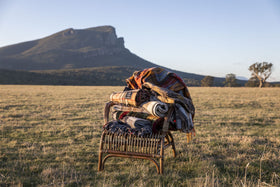
Today, the legacy of this introduction continues through high-quality wool products, including pieces found in the woollen blankets collection, where traditional materials meet modern craftsmanship.
How Merino Wool Shaped Australia
As Australia developed, Merino wool became one of its most valuable exports. By the 19th century, wool production was central to the economy, earning the phrase “Australia rides on the sheep’s back.”
Large sheep stations spread across the country, particularly in regions with vast grazing land. Wool was shipped internationally, establishing Australia as a global leader in fine fibre production.
This period also shaped rural communities, with generations of farmers dedicating their lives to wool growing. The industry was not just economic. It became cultural, influencing Australian identity and lifestyle.
What Makes Merino Wool Unique
Merino wool stands apart from other types of wool because of its fine fibres and natural performance qualities.
Key Characteristics of Merino Wool
- Exceptionally soft compared to traditional wool
- Naturally breathable and temperature regulating
- Moisture-wicking and odour resistant
- Lightweight yet insulating
- Durable and long-lasting
These qualities make Merino wool suitable for a wide range of uses, from clothing to home essentials.
Unlike synthetic materials, Merino wool adapts to the environment, keeping you warm in winter and cool in summer. This versatility is one of the reasons it has remained so popular over time.
The Evolution of Wool Production in Australia
Over time, the Australian wool industry evolved from traditional farming methods to more refined and sustainable practices.
Advancements in breeding improved fibre quality, while innovations in processing allowed wool to be used in more diverse ways. Today, Merino wool is not limited to garments. It is also used in premium homewares that prioritise comfort and longevity.
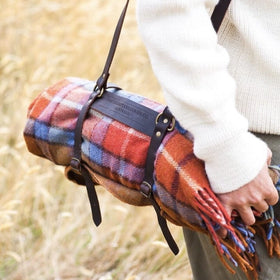
Collections such as the tartan wool blankets range reflect this evolution, combining heritage patterns with modern design.
Merino Wool and Sustainability
In recent years, sustainability has become a key focus in the textile industry. Merino wool aligns naturally with this shift.
It is a renewable fibre, as sheep produce new fleece each year. It is also biodegradable, meaning it returns to the earth without leaving harmful waste.
In addition, many producers now prioritise ethical farming practices, ensuring animal welfare and environmental responsibility.
Choosing Merino wool products is not just about quality. It is also about supporting a more sustainable approach to consumption.
Why Merino Wool Is Perfect for Modern Living
Despite its long history, Merino wool fits seamlessly into modern lifestyles.
It offers a balance of comfort, performance, and style that suits both everyday use and special occasions. Whether used in clothing or homewares, it enhances the experience of daily living.
For example, indoor spaces benefit from the warmth and texture of wool-based pieces. Exploring options like the indoor blankets collection allows homeowners to incorporate natural materials into their interiors in a practical way.
The Role of Craftsmanship in Wool Products
While the fibre itself is important, craftsmanship plays an equally significant role in the final product.
High-quality wool items are the result of careful design, skilled weaving, and attention to detail. These processes ensure that each piece is not only functional but also aesthetically pleasing.
Craftsmanship adds value by:
- Enhancing durability and longevity
- Preserving traditional techniques
- Creating unique textures and finishes
- Elevating everyday items into timeless pieces
This focus on quality is what transforms wool products into meaningful additions to the home.
From Rural Farms to Contemporary Homes
The journey of Merino wool from farm to home is a reflection of both heritage and innovation.
It begins with sheep raised in Australia’s diverse landscapes and continues through processing, design, and production. The result is a product that carries the story of its origins while fitting seamlessly into contemporary spaces.
Today, many homeowners seek materials that feel authentic and grounded. Merino wool offers exactly that, connecting modern living with natural origins.
Why Merino Wool Remains Timeless
Trends in homewares and fashion may change, but Merino wool remains consistent in its appeal.
Reasons Merino Wool Stands the Test of Time
- It combines comfort with functionality
- It adapts to different climates and seasons
- It maintains its quality over years of use
- It complements a wide range of interior styles
- It reflects a connection to natural materials
This timeless quality makes Merino wool a reliable choice for those seeking long-lasting products.
The Future of Merino Wool in Australia
Looking ahead, Merino wool continues to play an important role in Australia’s economy and culture.
Innovation is driving new uses for wool, from advanced textiles to sustainable alternatives to synthetic fibres. At the same time, there is a growing appreciation for traditional materials and craftsmanship.
This balance between innovation and heritage ensures that Merino wool will remain relevant for generations to come.
Conclusion: A Fibre Woven Into Australian Identity
The history of Merino wool in Australia is more than a story of agriculture. It is a story of resilience, craftsmanship, and connection to the land.
From its origins in Spain to its establishment in Australia, Merino wool has become a defining element of the country’s identity. Its qualities continue to make it one of the most valued natural fibres in the world.
Whether used in clothing or homewares, Merino wool represents a commitment to quality, sustainability, and timeless design.
Discover the Craft of Merino Wool
If you are looking to bring this heritage into your home, explore thoughtfully crafted wool pieces or reach out through the contact page for personalised guidance.