



Does wool shrink over time and how can you prevent it?
Key Takeaways
- Wool does not naturally shrink just because it gets older.
- Heat, hot water and vigorous washing are the biggest causes of shrinkage.
- Gentle washing and proper drying help maintain the shape of wool.
- High quality wool products are designed to last when cared for correctly.
- Following the manufacturer's care instructions is the easiest way to prevent shrinkage.
Yes, wool can shrink over time, but only when it is exposed to the wrong conditions. Heat, moisture and excessive agitation can cause the natural wool fibres to tighten, resulting in permanent shrinkage. The good news is that with the right care, high quality wool products can retain their size, softness and performance for many years.
Why Does Wool Shrink?
Wool is a natural fibre with tiny microscopic scales covering each strand. These scales give wool many of its desirable qualities, including warmth, breathability and moisture regulation. However, they also explain why wool reacts differently to washing than synthetic fabrics.
When wool is exposed to heat and movement, the scales interlock. This process, known as felting, causes the fibres to tighten together, reducing the overall size of the fabric. Once felting has occurred, the shrinkage is usually permanent.
If you are investing in a premium wool blanket, understanding this natural process helps ensure it remains in excellent condition for years to come.
Does Wool Naturally Shrink Over Time?
No. Wool does not gradually shrink simply because it ages.
A well-made wool blanket or garment can maintain its original dimensions for decades if it is stored and cared for correctly. Many Australian households still use wool blankets that have been passed down through generations.
What changes over time is how the wool is treated. Repeated exposure to incorrect washing methods, excessive heat or poor drying practices can slowly cause cumulative shrinkage.
In other words, time is not the problem. Care habits are.
What Causes Wool to Shrink?
Several factors can contribute to wool shrinkage.
- Washing in hot water.
- Using a hot dryer.
- Vigorous machine agitation.
- Rapid temperature changes between washing and rinsing.
- Excessive twisting or wringing.
- Incorrect detergents designed for standard laundry.
Even one incorrect wash cycle can noticeably reduce the size of untreated wool.
Modern wool products often receive treatments that improve washability, but natural fibres still benefit from gentle care.
How Should You Wash Wool Properly?
Proper washing is one of the simplest ways to preserve wool's appearance and lifespan.
If the care label allows hand washing, use cool or lukewarm water together with a wool-safe detergent. Gently squeeze the water through the fibres without rubbing or twisting the fabric.
For machine washable wool, always use the dedicated wool cycle with minimal agitation and a low spin speed.
Small habits make a significant difference over the life of your blanket.
Best practices for washing wool
- Use cool or lukewarm water.
- Choose a detergent designed specifically for wool.
- Avoid bleach or harsh stain removers.
- Never wring or twist the fabric.
- Wash similar fabrics together.
- Follow the manufacturer's care instructions every time.
Should You Dry Wool in the Dryer?
In most cases, no.
Tumble dryers expose wool to both heat and constant movement, which creates the perfect conditions for shrinkage.
Instead, gently reshape the item while damp and lay it flat on a clean towel or drying rack. Allow it to dry naturally away from direct sunlight or strong heat sources.
This method helps the fibres maintain their original shape while reducing unnecessary stress on the material.
Can Shrunk Wool Be Restored?
Sometimes, but not always.
If the shrinkage is minor and the fibres have not fully felted, soaking the item in lukewarm water with a wool conditioner or gentle hair conditioner may relax the fibres enough for careful reshaping.
However, heavily felted wool cannot usually be returned to its original size.
Prevention is far easier than attempting to reverse permanent shrinkage.
Does Merino Wool Shrink?
Merino wool behaves much like other natural wool fibres, although its finer fibres often feel softer against the skin.
Many modern Merino products are treated to become machine washable, making them easier to care for than traditional wool. Even so, high temperatures and aggressive washing can still cause shrinkage over time.
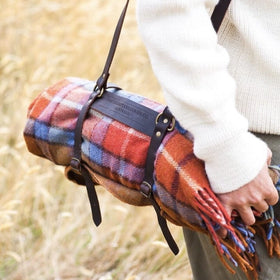
Whether you own knitwear or a luxurious tartan blanket Australia collection piece, following the care label remains the safest approach.
How Do You Store Wool to Keep It Looking Its Best?
Storage plays a surprisingly important role in maintaining wool quality.
Clean wool before storing it for long periods, as natural oils and food residues can attract insects. Keep blankets in a breathable cotton storage bag rather than sealed plastic containers that may trap moisture.
A cool, dry cupboard provides the ideal environment for preserving natural fibres.
Many people rotate their seasonal bedding, allowing premium Australian wool blankets to remain fresh and ready for use throughout winter.
How Can You Make Wool Last Longer?
Good wool care extends well beyond washing.
Looking after your wool products consistently helps preserve their appearance, insulation and comfort for many years.
Here are a few simple habits worth adopting:
- Shake blankets outside occasionally to remove dust.
- Air wool naturally between uses instead of frequent washing.
- Treat stains as soon as possible.
- Store wool in breathable bags during warmer months.
- Avoid prolonged direct sunlight.
- Fold rather than hang heavier blankets to prevent stretching.
These small routines help maintain the natural resilience that makes wool such a valued fibre.
Why Is Wool Worth Caring For?
Wool has remained one of Australia's most trusted natural fibres because it offers outstanding comfort throughout the year.
Its ability to regulate temperature means it provides warmth during winter while remaining breathable in milder weather. Wool also naturally resists odours and can absorb moisture without feeling damp, making it ideal for everyday use.
Whether you're relaxing at home with a soft throw or taking an outdoor blanket on your next adventure, proper care ensures these qualities continue season after season.
Quality wool products are not only practical but also represent a long-term investment when maintained correctly.
Conclusion: Wool Can Last for Years With the Right Care
Wool does shrink under certain conditions, but it does not naturally shrink simply because time passes. Heat, friction and improper washing are the real causes behind most shrinkage.
By washing wool gently, drying it naturally and storing it correctly, you can keep your blankets, throws and garments looking and performing their best for many years. With just a little care, quality wool remains one of the most durable and rewarding natural fibres you can own.
Need Help Choosing the Right Wool Blanket?
If you're looking for beautifully crafted Australian wool products built to stand the test of time, explore the Grampians Goods Co collection. From premium blankets to timeless outdoor essentials, every piece is selected for quality, comfort and durability.
If you have any questions about caring for your wool products or choosing the right blanket for your home or adventures, feel free to contact our team. We're always happy to help.