




Is wool biodegradable and environmentally friendly?
Key Takeaways
- Wool is a natural fibre that biodegrades under the right conditions.
- Unlike many synthetic fabrics, wool does not leave microplastics behind as it breaks down.
- Wool is renewable because sheep produce a new fleece every year.
- High quality wool products can last for decades, reducing the need for frequent replacement.
- Choosing responsibly made wool products supports a more sustainable approach to everyday living.
Yes, wool is biodegradable. As a natural fibre grown by sheep, untreated wool will naturally decompose in soil, returning valuable nutrients to the environment. Combined with its durability, renewability and long lifespan, wool is widely recognised as one of the more environmentally friendly textile fibres available when responsibly sourced and cared for.
Why Is Wool Considered Biodegradable?
Wool is made from keratin, the same natural protein found in human hair and fingernails. Because it comes from nature rather than petroleum-based plastics, microorganisms in soil can gradually break wool down into organic matter.
This process releases nutrients such as nitrogen, sulphur and carbon back into the earth, helping enrich the soil over time. Unlike synthetic fibres, untreated wool doesn't remain in landfill for hundreds of years.
If you're investing in beautifully crafted woollen blankets, you're choosing a product made from a fibre that naturally returns to the environment at the end of its life.
How Long Does Wool Take to Biodegrade?
The time it takes wool to biodegrade depends on environmental conditions.
Factors such as moisture, oxygen, temperature and microbial activity all influence how quickly the fibre breaks down. In healthy soil, untreated wool can biodegrade within a few months to several years, depending on the thickness of the material.
A tightly woven blanket naturally takes longer to decompose than loose wool fibres, but both eventually return to nature without creating permanent plastic waste.
Is Wool Better for the Environment Than Synthetic Fabrics?
While every textile has an environmental footprint, wool offers several natural advantages over synthetic materials.
Synthetic fibres such as polyester and acrylic are made from fossil fuels. They can take hundreds of years to break down and may release microplastics into waterways during washing.
Wool offers a different lifecycle. It is naturally renewable, biodegradable and highly durable, making it a practical choice for people looking to reduce waste over the long term.
The environmental impact of any wool product also depends on responsible farming, manufacturing and transportation practices, so choosing quality brands committed to long-lasting products makes a meaningful difference.
What Makes Wool a Renewable Fibre?
One of wool's greatest sustainability strengths is that sheep naturally regrow their fleece each year.
Unlike finite raw materials, wool production continues without permanently depleting natural resources when managed responsibly. Farmers shear sheep regularly as part of good animal welfare practices, allowing the fleece to be harvested year after year.
This renewable cycle has made wool one of the world's most valued natural fibres for centuries.
Why Does Wool Last So Long?
Sustainability isn't only about how a product begins or ends its life. Longevity matters too.
A well-made wool blanket can provide decades of comfort when cared for properly. Because wool naturally resists odours, wrinkles and dirt, it often requires less frequent washing than many synthetic alternatives. This helps reduce water, detergent and energy use throughout its lifetime.
Many families continue using premium Australian wool blankets across multiple generations, demonstrating the long-term value of investing in quality natural fibres.
Environmental Benefits of Wool
Choosing wool offers several sustainability advantages.
- Naturally biodegradable under the right conditions.
- Renewable through annual sheep shearing.
- Long-lasting and highly durable.
- Naturally breathable and temperature regulating.
- Resistant to odours, reducing washing frequency.
- Does not contribute microplastic pollution like synthetic fibres.
These qualities make wool an attractive option for people seeking products that combine performance with environmental responsibility.
Does Wool Release Microplastics?
No. Natural wool fibres do not release plastic microfibres because they are not made from plastic.
Small wool fibres may shed during use, particularly when products are new, but these fibres are biodegradable and naturally decompose rather than persisting in oceans and waterways.
This is one reason wool is often considered a more environmentally conscious choice compared with many synthetic textiles.
Is All Wool Equally Sustainable?
Not necessarily.
The sustainability of wool depends on the farming methods, manufacturing processes and product quality.
When choosing wool products, it can be worth considering factors such as:
- Responsible sheep farming practices.
- High quality manufacturing standards.
- Durable construction designed to last for years.
- Ethical sourcing and transparent production.
- Products that encourage long-term use rather than frequent replacement.
Investing in quality often results in a lower environmental impact over the product's lifetime because durable items require less frequent replacement.
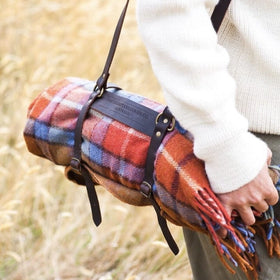
Whether you're purchasing a cosy tartan blanket or a timeless throw, longevity plays a significant role in sustainability.
How Can You Make Your Wool Products More Sustainable?
Even the most environmentally friendly fibre benefits from thoughtful care.
Looking after wool properly extends its lifespan and helps reduce unnecessary consumption. Fortunately, wool is naturally low maintenance compared with many other textiles.
Simple habits such as airing blankets between uses, spot cleaning small marks and following the manufacturer's care instructions all help preserve the fibres.
Rather than replacing worn products frequently, choosing premium quality wool and maintaining it carefully supports a more sustainable lifestyle.
Why Is Wool Popular for Outdoor Living?
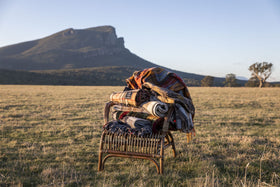
Wool's natural performance makes it particularly well suited to Australian conditions.
Its insulating properties help keep you warm in cooler weather while remaining breathable during milder temperatures. Wool also absorbs moisture without feeling wet, making it comfortable across changing conditions.
Whether you're relaxing beside a campfire or enjoying a weekend picnic, a durable outdoor blanket made from quality wool combines practicality with long-lasting value.
These characteristics reduce the need for frequent replacements, further supporting sustainable consumption.
Does Biodegradable Mean Maintenance Free?
Not at all.
Although wool naturally biodegrades at the end of its useful life, proper care is still essential while you're using it.
Gentle washing, careful drying and appropriate storage help preserve the integrity of the fibres for many years. The longer a blanket remains in use, the lower its overall environmental impact becomes because fewer replacement products are needed.
Quality wool rewards thoughtful ownership.
Conclusion: Wool Is a Natural Choice for Sustainable Living
So, is wool biodegradable? Yes. Wool naturally decomposes under the right conditions, making it one of the few textile fibres that can safely return to the environment at the end of its life.
Its renewability, durability, natural performance and long lifespan also make it an environmentally friendly option for people who value quality over short-term convenience. By investing in well-crafted wool products and caring for them properly, you can enjoy exceptional comfort while making a more sustainable choice for your home and outdoor adventures.
Discover Quality Wool Made to Last
At Grampians Goods Co, we believe timeless craftsmanship and natural materials go hand in hand. Our carefully selected range of premium wool blankets and outdoor essentials are designed to provide years of comfort while celebrating the enduring qualities of Australian wool.
If you'd like help choosing the right blanket or learning more about our collections, please contact our team. We're always happy to help you find a product you'll enjoy for years to come.