




How breathable is wool compared to cotton and synthetics?
Key Takeaways
- Wool is naturally breathable and can absorb water vapour within its fibre structure.
- Wool can help manage the humid microclimate that develops between your skin and clothing or bedding.
- Cotton is breathable too, but it tends to hold onto liquid moisture and can take longer to dry.
- Many synthetic fabrics dry quickly, although their comfort depends considerably on fibre type, fabric construction and garment design.
- Merino wool is particularly well suited to clothing because its fine fibres can create lightweight, comfortable fabrics.
- Breathability is not determined by fibre alone. Fabric weight, weave or knit, layers and finishing all affect how a product feels.
Yes, wool is breathable. Its fibres can absorb water vapour and release it as conditions change, helping manage moisture and temperature next to the body. That is why wool works in much more than heavy winter layers, from a cosy wool blanket at home to lighter clothing and accessories worn through changing Australian weather.
What does breathable actually mean when talking about wool?
We often call a fabric "breathable" when it feels comfortable rather than hot, damp or clammy. Technically, though, several things can contribute to that feeling.
There is airflow through the fabric, but there is also the movement of moisture vapour away from the skin. Wool is particularly interesting because its fibres are hygroscopic, meaning they can absorb moisture vapour from their surroundings.
According to Woolmark, wool can absorb up to 35 per cent of its weight in moisture vapour before feeling wet. This ability to take up and later release moisture helps explain why wool can feel comfortable across a surprisingly broad range of conditions.
Of course, a thick wool blanket and a fine wool jumper are going to behave differently. Construction matters. A loose knit can allow more air movement than a dense fabric, while the weight and number of layers also influence warmth.
So when asking "is wool breathable?", the short answer is yes. The more useful answer is that wool combines breathability with moisture and temperature management, and the finished product determines how those qualities are experienced.
How does wool manage heat and moisture?
Wool fibres have a complex structure that responds to the surrounding environment. They can absorb water vapour when conditions are humid and release it when the environment becomes drier.
This can help reduce sudden changes in the microclimate close to your skin.
Wool also has a natural crimp. This creates tiny pockets of trapped air within a wool textile, providing insulation. It is the reason wool can keep you wonderfully warm on a cold day without its usefulness being restricted to winter.
Think about a merino wool scarf, for example. On a cold morning, it provides an insulating layer around your neck. If the day becomes milder, wool's ability to interact with moisture vapour can help it remain comfortable, although eventually you will probably want to take the scarf off. No fibre can make a heavy winter accessory feel cool on a hot day.
That distinction matters. Breathable does not mean a fabric cannot be warm. Wool can be both insulating and breathable.
Is wool more breathable than cotton?
Wool and cotton are both natural fibres, and both can make comfortable, breathable textiles. Where they differ noticeably is in the way they interact with moisture.
Cotton readily absorbs liquid moisture. That is useful in plenty of situations, but once cotton becomes wet, it can hold that moisture and take time to dry. Anyone who has stayed in a damp cotton T-shirt after a walk probably knows the feeling.
Wool manages moisture differently. It can absorb substantial amounts of water vapour within the fibre itself, helping control moisture before it condenses into liquid sweat. Wool can still become wet, of course, but this vapour-management capability contributes to its reputation for comfort in changing conditions.
It is not quite accurate to simply declare wool "more breathable" than every cotton fabric. A lightweight, loosely woven cotton fabric may allow considerably more airflow than a dense wool knit.
The better comparison is about overall comfort. Cotton can be lovely in warm, dry weather. Wool becomes especially useful when conditions vary and you want a material capable of combining insulation with moisture management.
Is wool more breathable than synthetic materials?
This comparison is a little more complicated because "synthetic" describes an enormous category rather than one particular fabric.
Polyester, nylon and other synthetic fibres can be engineered into highly effective performance textiles. Many synthetic garments are designed to move liquid sweat away from the skin and dry rapidly, which is one reason they are common in sportswear.
Wool takes a different approach. Instead of simply moving liquid moisture, wool can absorb moisture vapour into its fibre structure. This can help regulate the environment around the body before moisture accumulates as liquid sweat.
A few practical differences are worth remembering:
- Wool combines insulation with moisture-vapour management, making it useful when temperatures fluctuate.
- Cotton can provide excellent airflow in lightweight constructions but tends to retain liquid moisture once wet.
- Performance synthetics can wick moisture and dry quickly, making them useful for high-intensity activities.
- Fabric construction matters as much as fibre choice, so a heavy wool knit should not be compared directly with an ultralight synthetic mesh.
- Your activity level matters too. Sitting beside a campsite, walking through town and running a trail all place very different demands on a textile.
Rather than searching for one universally superior fibre, it makes more sense to choose the material that suits what you are actually doing.
Why is Merino wool popular for clothing?
Merino is wool from Merino sheep and is prized for its fine fibres. Finer fibres can bend more easily against the skin, allowing them to be used in soft, lightweight garments.
That gives Merino an interesting balance. You get wool's natural moisture-vapour management and insulating properties in fabrics that do not necessarily feel like traditional bulky winter woollens.
It is why merino wool jumpers in Australia make sense across more than the coldest weeks of the year. A jumper can be worn by itself on a cool day, layered beneath a coat in winter or kept nearby when a mild afternoon turns into a chilly evening.
The actual comfort of any Merino garment will still depend on its weight, knit and fit. A chunky jumper is intended to provide more warmth than a fine-gauge layer, even though both are made from wool.
Does breathable wool still keep you warm?
Yes, and this is where wool can initially seem a little contradictory.
We sometimes talk about breathability and insulation as if they sit at opposite ends of a scale. In reality, they describe different properties.
Wool's crimp helps trap air, and trapped air provides insulation. Meanwhile, the fibre itself can take up and release moisture vapour. A textile can therefore reduce heat loss while still helping manage moisture around the body.
You can see the same principle in household wool products. A wool blanket feels warm because of the insulating layer it creates, but wool's interaction with moisture also contributes to comfort beneath it.
This does not mean every wool product suits every temperature. Weight still matters. On a mild evening, a lighter blanket might be plenty. In the middle of winter, something thicker or additional layers will usually feel better.
Does the weave or knit affect how breathable wool feels?
Very much so. The fibre is only part of the story.
A finished textile is shaped by fibre diameter, yarn, weave or knit structure, fabric density, thickness and finishing treatments. All of these can influence airflow, warmth and moisture movement.
A more open knit can create spaces through which air can move. A thick, tightly constructed wool textile generally provides greater insulation and may feel considerably warmer. That is why it is worth looking beyond the word "wool" when choosing something to wear or use around the home.
A Fair Isle knit, for instance, is naturally going to offer a different wearing experience from a lightweight base layer, despite both potentially benefiting from wool's fibre properties.
This is useful when shopping because it turns a vague question about breathability into a practical one: how warm, heavy and open is this particular piece, and where do I plan to use it?
When is breathable wool particularly useful?
Wool tends to shine when the weather refuses to make up its mind.
Think cool mornings followed by sunny afternoons, evenings outdoors when the temperature drops quickly, travel between different climates or days when you are moving between heated indoor spaces and colder air outside.
It can also be useful when layering. Rather than wearing one extremely heavy piece, several thoughtfully chosen layers give you more control over your comfort. You can remove a layer when you warm up and add it again later.
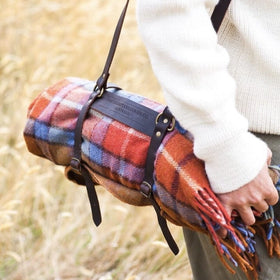
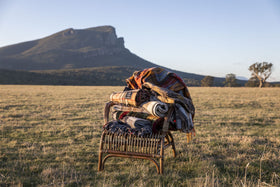
Around the home, the same idea applies. A checked wool blanket can sit at the end of the bed or across the sofa, ready when you want extra warmth without having to completely change your bedding as the temperature shifts.
Perhaps that is wool's real strength. It is not simply that it breathes or that it keeps you warm. It adapts reasonably well to the little temperature changes that happen throughout an ordinary day.
How do you choose between wool, cotton and synthetics?
There is no single fibre that wins in every situation.
Choose cotton when you want a familiar natural fibre and a light, airy fabric, particularly for warm and relatively dry conditions. Choose technical synthetics when fast drying and purpose-built performance are important, especially during high-output exercise.
Wool makes particular sense when you value temperature regulation, moisture-vapour management and insulation in the same material. It is well suited to changeable weather, layering, cooler outdoor conditions and homewares designed to provide warmth without sacrificing comfort.
And always look at the finished item rather than fibre content alone. A beautifully made product should suit its intended purpose. That matters more than picking a material because one characteristic sounds good on paper.
Why is wool a naturally versatile choice?
So, is wool breathable? Yes. Wool's ability to absorb and release moisture vapour, combined with its natural insulating structure, makes it remarkably adaptable.
Compared with cotton, wool has a different approach to moisture management and can remain useful when temperatures fluctuate. Compared with synthetics, it offers natural moisture-vapour management alongside insulation, although purpose-designed synthetic fabrics can be excellent when rapid wicking and drying are the priority.
There is no need to make the comparison a competition. Cotton, synthetics and wool all have their place. But when you want natural warmth, breathability and a material that feels at home in changing conditions, wool makes a convincing case for itself.
Ready to bring more wool into everyday life?
From layers you can reach for on a cool morning to blankets that live permanently on the sofa, wool is made for more than the depths of winter. Its comfort across changing conditions is part of what makes it such an enduring material.
Explore the wool pieces at Grampians Goods Co. and discover thoughtfully designed woollens for home, travel and everyday adventures.